
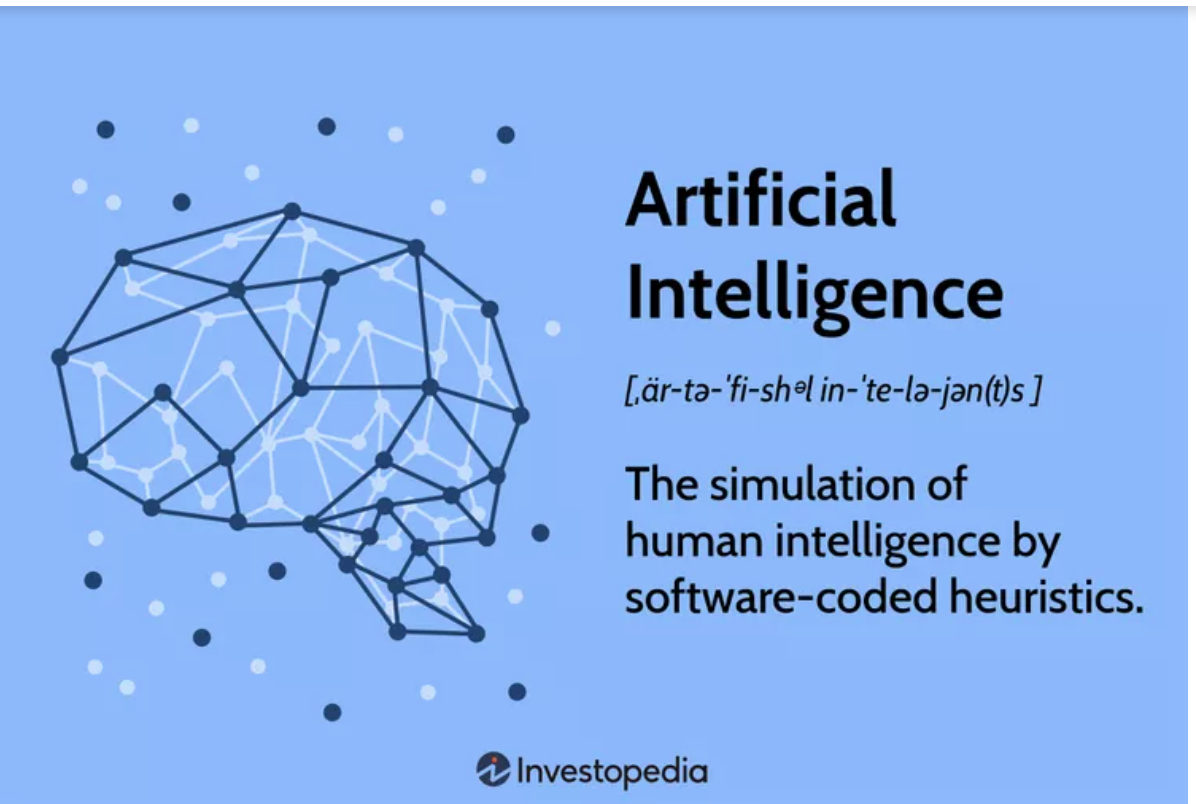
by Cathy Belk and Danielle Crawford
AI is already in the process of being rapidly adopted and with it, rapidly changing the skills individuals need in the workplace. As a topic we want to stay abreast of, we have started with a literature review. Here are the most helpful articles we have found thus far:
1) Big picture overview of labor market trends overall including how AI will impact occupations
This 2023 report from the World Economic Forum is an incredibly interesting and absorbable read. Among the content I found particularly helpful: which occupations are expected to have the fastest declines (bank tellers, data entry clerks) and largest growth (“vocational education teachers”!, agricultural equipment operators, and a host of digitally-enabled jobs such as E-commerce specialists.) It also comments on the skills across jobs which employers identified as being the most important in the world of the future. You can read the 2 page Key Findings at the front and then use that to go more in-depth in areas of interest.
2) How generative artificial intelligence will change Ohio’s workforce
The article from Columbus discusses how generative AI is impacting Ohio’s workforce and economy. It highlights the potential of AI to create new jobs and drive economic growth, but also notes the challenges in adapting the workforce to these changes. The article emphasizes the importance of education and training to equip workers with the necessary AI skills and the role of public-private partnerships in facilitating this transition.
3) How AI can be applied by practitioners to benefit job seekers, workforce development organizations, and the system overall
This high-quality project from Jobs for the Future focuses on practical ways (called “Use Cases”) to integrate AI to help impact two groups: 1) jobseekers navigating the path from learning to earning (particularly people who are members of populations facing systemic barriers to advancement) and 2) professionals working for organizations which support those jobseekers. The Use Cases give actual examples of software tools which enable that use.
This article recommends a series of actions workforce practitioners, and others in the ecosystem, can take; at least three of them include strong advocacy positions.
4) And in case you are interested in implications specific to entry level roles in your industry:
Because implications really depend on the type of occupations and career paths which exist, a few different articles specific to industries are also interesting (all 101 level, which is a good starting point for us!) Try these for:
- Finance
- Manufacturing
- IT
- Nursing
- And this particularly useful one on the impact of AI on the Trades
What are we missing that would help us keep on top of the implications of this technology?